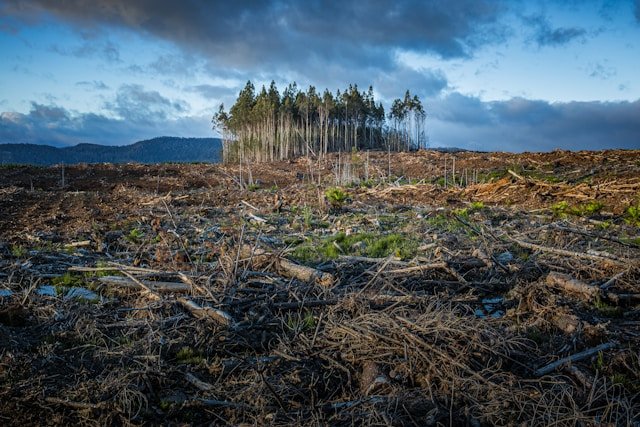
The Climate Crisis in Action
Over the past two weeks alone, extreme weather events have affected multiple regions across the world, underscoring the growing impacts of climate change . Europe has experienced an intense early-summer heatwave, with temperatures exceeding 40°C in several countries. The prolonged heat has fueled wildfires across southern France, Spain, Portugal, and Greece, forcing evacuations, disrupting transportation, and threatening local communities .
In southern France, thousands of firefighters were deployed to battle rapidly spreading wildfires. Similar wildfire outbreaks were reported in Spain and Greece as prolonged heat, dry vegetation, and strong winds combined to create highly favorable fire conditions . Spain’s national weather agency issued heat or severe storm alerts for 10 regions, with temperatures in some areas forecast to approach or exceed 40°C .
The Human Toll of Extreme Heat
Excess heat is a major killer that often goes unrecognized. Dr. Jemilah Mahmood, Executive Director of the Sunway Centre for Planetary Health, warned: “It doesn’t make headlines the way disasters do. It doesn’t produce images that trigger emergency funding. It doesn’t arrive with a named storm or a visible flood line. It kills quietly, in homes, in open fields, in the bodies of workers who have no choice but to be outside” .
Officially, 546,000 people die every year from heat-related causes, but this is “almost certainly an undercount because heat deaths are systematically misclassified, particularly in low and middle-income countries” . In India, temperatures in parts of Uttar Pradesh climbed to 47°C last week, with local media reporting at least 37 deaths from heat-related causes in the southern states of Andhra Pradesh and Telangana .
Wildfires: A Growing Threat
Wildfires have already burned more than 150 million hectares in the first four months of 2026—50% higher than the recent wildfire average and double the amount burned in 2024 . The tiny particulate pollution (PM2.5) caused by wildfires can be 10 times more harmful to human health than traffic emissions .
A 2024 Lancet study found 1.53 million deaths every year were linked to air pollution from wildfires, more than four times higher than previous estimates . In Australia’s 2019 fires, 33 people died directly in the flames, but the smoke killed 417 more. In the Los Angeles fires of January 2025, researchers found nearly 50% additional deaths from smoke exposure beyond the direct fire fatalities .
Shifting Rainfall Patterns
The WMO report points to widening shifts in global rainfall patterns consistent with a warming climate . Higher-than-average rainfall is expected in parts of the Sahel, northern Europe, Alaska, and Siberia between 2026 and 2030, while drier conditions are forecast for the Amazon region and parts of the subtropics .
There is considerable concern that potential drought in tropical rainforest regions, including the Amazon, Oceania, and parts of Southeast Asia, could increase the risk of widespread or unusually intense fires in normally damp regions where such fires are not common. This could seriously impact ecosystems and human societies via choking smoke pollution .
Global Impacts of Climate Change
| Region | Impact | Severity |
|---|---|---|
| Southern Europe | Heatwaves >40°C, wildfires | Severe |
| United States | Heat alerts for 100M+ people | Widespread |
| India | Temperatures 47°C, heat-related deaths | Critical |
| Amazon | Drought, wildfire risk | Increasing |
| Arctic | Warming 3.5x global average | Accelerating |
| Sahel, N. Europe, Alaska | Wetter than average | Predicted |
| Subtropics | Drier conditions | Predicted |